Hernia
Assessment and repair planning for groin, umbilical, incisional and other abdominal-wall hernias, including laparoscopic approaches where suitable.
Read hernia FAQsSurgical care · Dhaka, Bangladesh
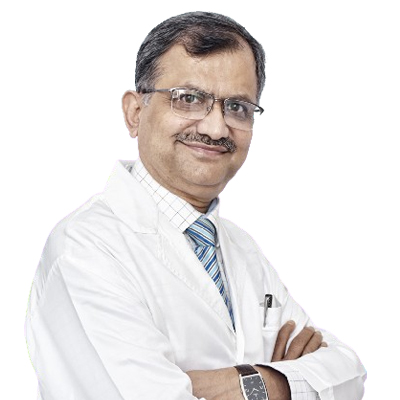
Meet Prof. Dr. Pankaj Kumar Saha (P.K. Saha), Chief Consultant in General, Advanced Laparoscopic and Bariatric Surgery at The Advanced Laparoscopic Centre & Hernia Clinic, Samorita Hospital Ltd.
*Career figures supplied in the doctor's profile; discuss your individual needs during consultation.
Advanced laparoscopic surgeryMinimally invasive options when appropriate
Clear treatment discussionUnderstand choices, risks and recovery
Online appointments15-minute booking slots
Meet the surgeon
Prof. Dr. P.K. Saha is a senior general and advanced laparoscopic surgeon with more than three decades of experience in medical colleges and surgical care. His training includes advanced laparoscopic surgery in India, Singapore, Japan, Germany, France and the United States, according to his professional biography.
He has served as Head of Surgery at Shaheed Suhrawardy Medical College Hospital and held surgical teaching and consultant roles at several institutions. Today, appointments for the clinic described on this website are listed at Samorita Hospital Ltd. in Panthapath, Dhaka.
Arrange a consultationHow we can help
Every treatment decision starts with a clinical assessment. The right approach depends on your symptoms, examination and medical history.
Assessment and repair planning for groin, umbilical, incisional and other abdominal-wall hernias, including laparoscopic approaches where suitable.
Read hernia FAQsEvaluation of gallstones and related gallbladder problems, including laparoscopic gallbladder removal when indicated.
Discuss symptomsAssessment of suspected appendicitis and appendectomy planning when surgery is clinically necessary.
Contact the clinicAssessment for selected patients who may benefit from surgical treatment for obesity, with discussion of risks and long-term follow-up.
Book a consultationGeneral surgical and selected complex abdominal problems that may require laparoscopic or open surgery.
Discuss your caseStart with an appointment. Bring previous prescriptions, scan reports and test results if available.
Choose a timeBook a consultation
Appointments are available Saturday through Thursday. Each appointment is 15 minutes, with morning and afternoon/evening sessions.
All times are Bangladesh Standard Time (Asia/Dhaka). Fridays are unavailable.
Appointment request
Patient guide
Clear, general information to help you prepare for a consultation. Diagnosis and treatment advice must be individualised by a qualified clinician.
Ask during a consultationIf a hernia becomes suddenly very painful or hard, changes colour, or comes with vomiting or inability to pass stool or gas, seek emergency care immediately.
Further reading: NHS hernia repair guidance · NIDDK bariatric surgery guidance.
A hernia occurs when tissue, often fat or part of the bowel, pushes through a weak area in muscle or connective tissue. It may appear as a bulge and can cause pain or a dragging sensation, especially when coughing or lifting. A new lump should be examined to confirm the cause.
Common types include inguinal (groin), femoral (upper thigh/groin), umbilical or paraumbilical (near the belly button), incisional (at a previous surgical incision), epigastric (upper abdominal wall), and hiatus hernia (part of the stomach moves through the diaphragm). Treatment depends on the type and symptoms.
No. A hernia is not cancer. However, not every lump is a hernia, so new, growing or unexplained lumps should be examined by a clinician.
In adults, a hernia usually does not close by itself. Some small hernias may be monitored after medical assessment, while others need repair. Do not rely on a belt or binder as a cure; ask a surgeon which approach is appropriate.
Not every hernia needs immediate surgery, but many adult abdominal-wall hernias are considered for repair because they may enlarge or develop complications. The decision depends on hernia type, symptoms, health, risks and personal circumstances.
For an uncomplicated inguinal hernia repair, NHS guidance says surgery usually takes around 30–90 minutes. Other hernias, previous operations, the laparoscopic or open approach and any complications can change the duration. The surgeon can estimate after reviewing your case.
Cost varies by procedure, mesh or other materials, anesthesia, investigations, hospital room, length of stay and the patient's needs. This website does not publish a fixed price because a reliable estimate requires clinical assessment and the hospital's current charges. Contact the clinic for an estimate.
For inguinal hernia repair, full recovery often takes around 4–6 weeks, although gentle daily activity may resume sooner and some people return to work in 1–2 weeks. Heavy manual work may need longer. The exact timeline depends on the operation and your health; follow the operating team's advice.
Both approaches can be appropriate. Laparoscopic surgery uses small incisions and may offer less wound discomfort or a quicker return to activity for some patients, but it is not suitable for every hernia or every patient. The surgeon should explain the benefits, risks and alternatives in your case.
Get emergency care for sudden severe or worsening pain, a hard/tender bulge that cannot be pushed back, skin colour change over the lump, repeated vomiting, a swollen abdomen, or inability to pass stool or gas. These can be signs of trapped or strangulated tissue.
Gallstones are hardened deposits that form in the gallbladder. Many cause no symptoms, but stones that cause repeated pain or complications may need treatment, often laparoscopic gallbladder removal. Fever, jaundice or severe persistent abdominal pain needs urgent medical assessment.
Appendicitis needs prompt medical evaluation. Surgery is a common treatment, although selected cases may be managed differently based on scan results and clinical judgement. Do not wait for an online answer if abdominal pain is worsening or you feel very unwell.
Bariatric surgery may be an option for selected people with obesity after a careful assessment of health, previous weight-management efforts, surgical risks and readiness for long-term follow-up and lifestyle changes. Eligibility varies; a consultation is required.
Bring previous prescriptions, investigation reports, ultrasound or CT reports, a list of medicines and allergies, and details of past surgeries. You do not need to enter medical details into this website's booking form.
Learn from the doctor
Educational explanations and patient stories. Each video link should be checked and shared with appropriate permission.
Inside the clinic
Photographs of the care environment and professional activities.
Visit the clinic
The Advanced Laparoscopic Centre & Hernia Clinic is located within Samorita Hospital Ltd.
Address
89/1, Panthapath, Dhaka 1215, Bangladesh
Phone
+880 1711-153692
Clinic hours for appointments
Saturday–Thursday, 10:00 AM–1:00 PM and 4:00 PM–8:00 PM